
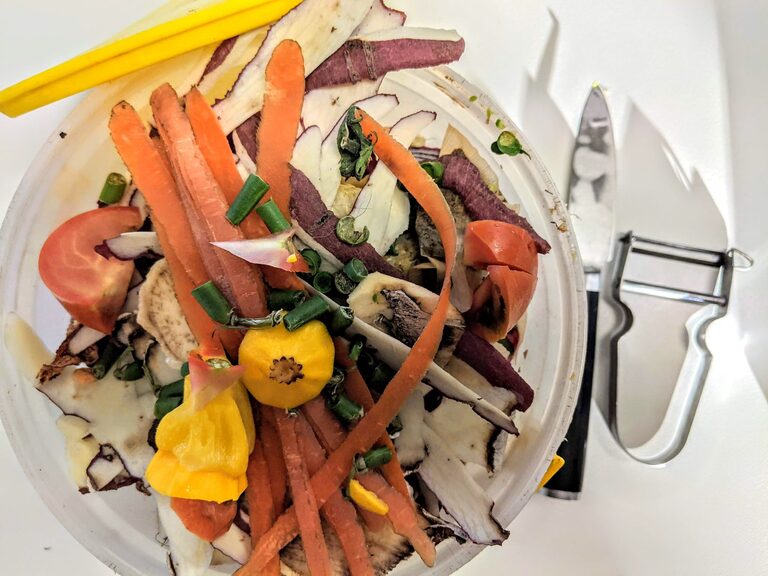
Reducing food waste at home is a practical way to save money, minimize environmental impact, and make your household more sustainable. Every year, millions of tons of food end up in the trash, often due to poor planning or storage. Fortunately, with a few simple changes, anyone can reduce food waste significantly. In this post, we’ll explore practical strategies you can use starting today.
Understand Why Food Waste Happens
Before diving into solutions, it helps to know why food waste occurs at home. Common causes include:
– Buying more food than needed
– Forgetting about leftovers or ingredients
– Food spoiling due to improper storage
– Confusion over expiration dates
– Cooking too much food
Knowing these issues can help you take targeted steps to avoid them.
Plan Your Meals
One of the most effective ways to reduce food waste is to plan your meals in advance.
Create a Weekly Menu
Draft a simple plan for your weekly meals. This helps you buy only what you need and avoid impulse purchases. Consider meals that use similar ingredients so nothing goes unused.
Make a Shopping List
Once your menu is ready, write a detailed shopping list. Stick to it while shopping to prevent buying items you won’t use.
Check Your Pantry First
Before shopping, take inventory of ingredients you already have. This prevents buying duplicates and ensures older items get used.
Store Food Properly
Proper food storage extends freshness and prevents spoilage.
Keep Produce Fresh
– Store fruits and vegetables in appropriate conditions; some need refrigeration, others do better at room temperature.
– Use perforated bags or containers with vents to keep air circulating.
– Separate ethylene-producing fruits (like apples and bananas) from those sensitive to ethylene to slow ripening.
Use Airtight Containers
For leftovers and open packages, airtight containers keep food fresher longer and prevent odor transfer.
Label and Date Leftovers
Write dates on containers so you can easily identify when food was stored and use it before it goes bad.
Practice Smart Portions and Leftover Use
Cook the Right Amount
Start by cooking smaller portions, especially when trying new recipes, to avoid uneaten food.
Serve Smaller Portions
Serve manageable portions and allow seconds if needed. This helps reduce plate waste.
Repurpose Leftovers
Be creative with leftovers. For example:
– Turn roast vegetables into soups or salads
– Use extra rice or pasta in stir-fries or casseroles
– Blend fruits that are overripe into smoothies or baking recipes
Understand Expiration Dates
Expiration dates can be confusing and cause unnecessary food disposal.
Know the Difference
– “Best before” indicates quality, not safety. Food is usually safe to eat after this date if stored properly.
– “Use by” is about safety and should be followed strictly.
When in doubt, check food for changes in smell, appearance, and texture before discarding.
Compost Food Scraps
While the goal is to reduce food thrown away, some scraps are unavoidable. Composting is a great way to manage organic waste.
– Create a small compost bin in your kitchen or backyard.
– Compost vegetable peels, coffee grounds, eggshells, and other biodegradable waste.
– Use compost in your garden to enrich soil naturally.
Shop Smart and Support Local
Buy Loose Produce
Purchase loose fruits and vegetables instead of pre-packaged ones. This lets you buy just the amount you need.
Support Local Farmers Markets
Often, farmers markets sell fresher produce with a longer shelf life, reducing the chance of spoilage.
Choose Imperfect Produce
Don’t overlook “ugly” fruits and vegetables. They are nutritious and tasty but often discarded due to appearance.
Educate Your Household
Reducing food waste is easier when everyone understands its importance.
– Share these tips with family members.
– Get children involved in meal planning and cooking.
– Celebrate small wins like finishing leftovers or composting.
Final Thoughts
Reducing food waste at home benefits your wallet and the planet. By planning meals, storing food properly, managing portions, understanding expiration dates, and composting scraps, you can make a real difference. Start with one or two changes and gradually build habits that lead to less waste and more mindful consumption. Every little effort counts!